
Booth Formats
10x20 Trade Show Booths
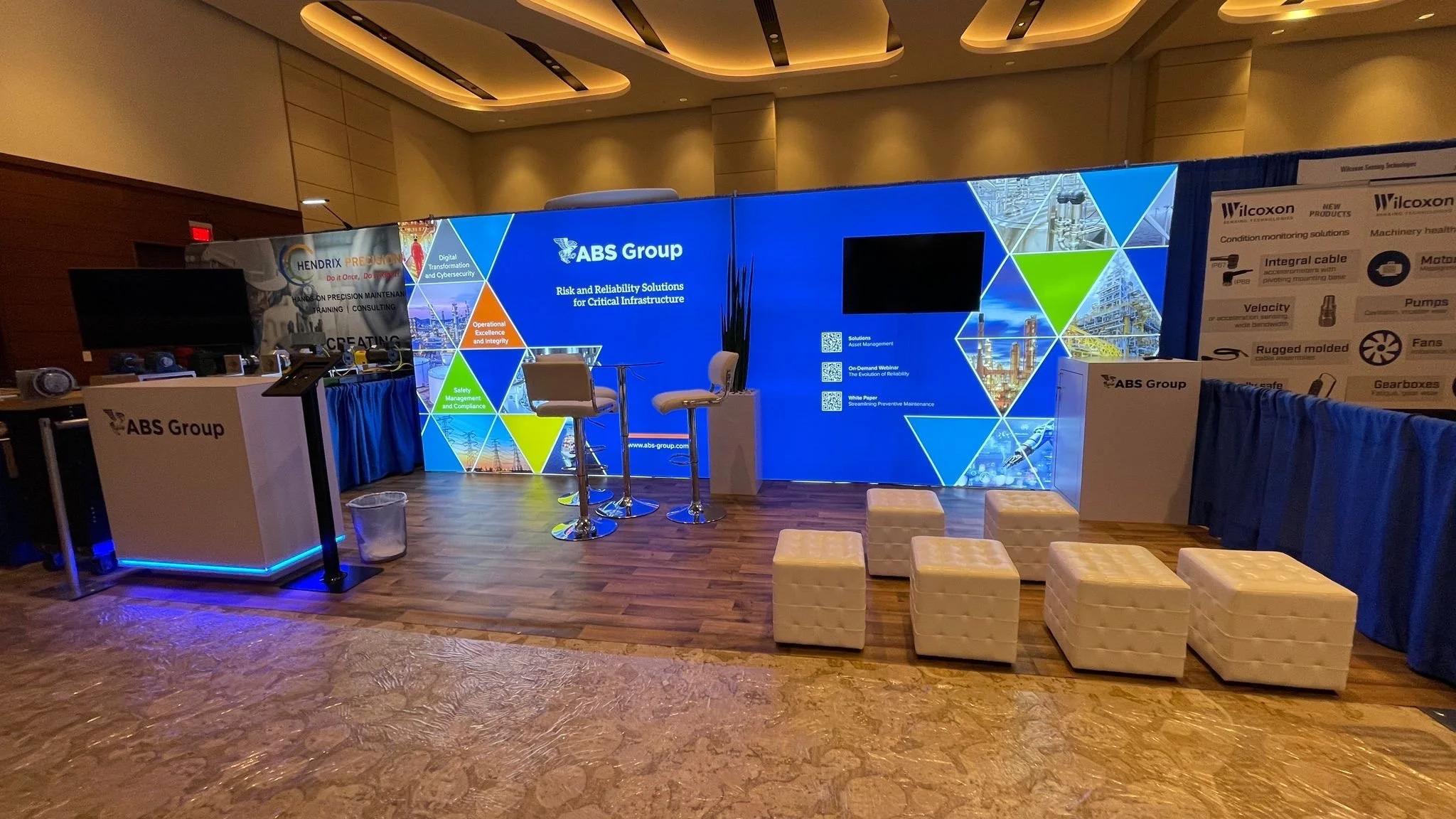
Double the inline run, roughly 200 square feet across two open aisle modules. Room for a demo, a meeting nook, and storage without giving up the back-wall message.
A 10x20 doubles the inline to about 200 square feet, which buys real zones: a graphic wall, a product or demo station, a private corner for conversations, and a closet for cases. It fits the longer runs at the Chattanooga Convention Center and reads well in the wider aisles at Dalton Convention Center across the Georgia line. We plan the layout so traffic flows in one side and out the other instead of bottlenecking at a single counter.
Why teams step up to a 10x20 in Chattanooga
The jump from 10x10 to 10x20 is the jump from one job to several. With roughly 200 square feet you can run a demo and still keep a quiet corner for a real conversation, which a single 100-square-foot inline cannot do without feeling cramped.
On the long rows inside the convention center's 100,000-square-foot hall, a 20-foot run gives you a wider graphic band that a passing visitor reads before they reach you. That extra reading distance is the practical reason most upgrade.
Laying out 200 square feet so it works the floor
We treat a 10x20 as two linked modules rather than one big box. A common split puts the demo and product up front near the aisle, a branded back wall behind it, and a semi-private meeting zone at the far end where reps close conversations away from foot traffic.
Storage matters more at this size, because a 200-square-foot booth collects literature, giveaways, and shipping cases. We build a lockable closet into the back wall so the floor stays clean through a multi-day show.
Fit across the regional venue set
Downtown is the core, but a 10x20 is also the format that travels well to the Dalton Convention Center, a City of Dalton and Whitfield County facility that anchors regional events south of the state line and houses Mashburn Arena under the same roof.
Camp Jordan Arena in East Ridge is the third common stop, where wider drive-in expos give a 20-foot run room to breathe. The same booth can work all three with a graphics swap and a freight plan that accounts for each dock.
How we deliver and crew a 10x20
A 10x20 usually crosses the line from set-it-yourself to a small labor call, especially when there is a hanging element or a heavier demo. We plan that crew against the show manual so the install and dismantle windows are scheduled, not improvised.
Scope is fixed up front: design, fabrication or modular frame, graphics, lighting, freight, and on-site supervision if you want a point person during setup. You review the layout before anything is built or shipped.
Why teams step up to a 10x20 in Chattanooga details
What can a 10x20 booth fit that a 10x10 cannot?
Around 200 square feet lets you separate functions: a demo or product zone up front, a back-wall message, storage, and a semi-private corner for longer conversations. In a single 100-square-foot inline those all compete for one wall, so the 10x20 is the first size where layout becomes a real design decision.
Does a 10x20 need professional install?
Often a small crew is the safe call, particularly with hanging signs, heavier demos, or a tight move-in window. We confirm requirements against each show manual, since the Chattanooga Convention Center, Dalton Convention Center, and arena expos in East Ridge each set their own labor and rigging rules.
Can the same 10x20 travel to multiple regional shows?
Yes. We build modular so the frame reconfigures and graphics swap between events, which suits exhibitors moving through downtown Chattanooga, Dalton, and East Ridge venues. Storage and refurbishment between shows keeps the asset show-ready.
Chattanooga Trade Show Services
Need help with 200 SF Footprint?
A 10x20 doubles the inline to about 200 square feet, which buys real zones: a graphic wall, a product or demo station, a private corner for conversations, and a closet for cases. It fits the longer runs at the Chattanooga Convention Center and reads well in the wider aisles at Dalton Convention Center across the Georgia line. We plan the layout so traffic flows in one side and out the other instead of bottlenecking at a single counter.